BUSINESS CASUAL THE COMPLETE GUIDE FOR MEN IN 2026
Business casual has shifted significantly. Here's exactly what it means now, what to wear, what to skip, and how to look put-together every single day.
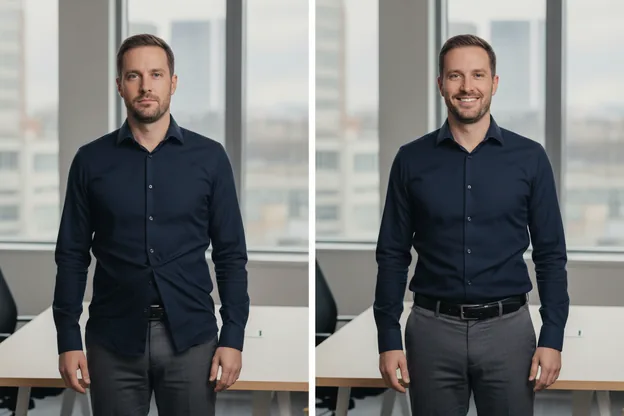 BeforeAfter

9am to 6pm, sitting and standing, still sharp.
Business casual in 2026 means dressed intentionally but not formally: tucked dress shirts or polos with dress pants or chinos, blazers optional, quality shoes, and grooming that shows effort. Skip jeans, t-shirts, athletic wear, and untucked shirts. The goal is looking professional without a full suit.
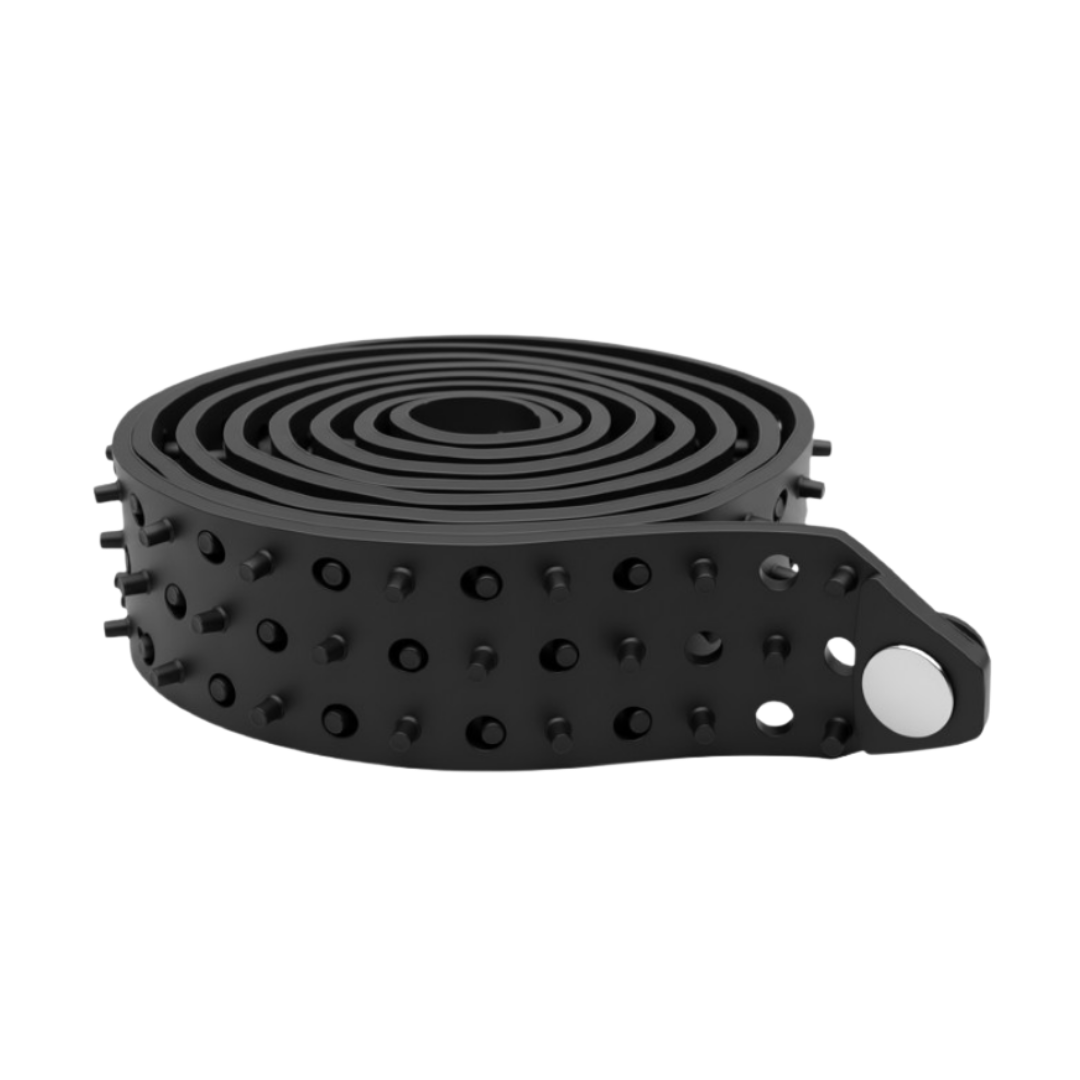
The Shirt Tucker — The Secret to Effortless Business Casual
A tucked shirt is the backbone of every business casual outfit. The Shirt Tucker rubber belt keeps your shirt perfectly in place from morning meeting to happy hour — no leg straps, no re-tucking.
What is Business Casual?
Business casual is the middle ground between formal business wear (suits and ties) and casual office dress (jeans and sneakers). In 2026, it's become more nuanced and flexible than ever before — but that doesn't mean it's undefined. It's a deliberate choice to look polished and intentional, even when you're not wearing a suit.
The core principle of business casual is respect through appearance. You're signaling to colleagues, clients, and leadership that you take the work seriously. That said, dress codes have relaxed compared to the 1990s and 2000s. What matters now is how your clothes fit, how well they're maintained, and whether they communicate effort.
The Essentials Checklist
Tucked Dress Shirts
Button-up shirts in solid colors or subtle patterns — oxford cloth, poplin, or performance fabrics. Always tucked. Use a Shirt Tucker rubber belt ($19.99) to keep it tucked all day without slipping.
Dress Pants or Chinos
Navy, black, tan, grey, or olive. Flat-front preferred. Fit matters more than price — they should sit at your waist, taper slightly at the ankle, and have a clean break at your shoe. Avoid stretchy, overly tapered, or baggy silhouettes.
Quality Shoes
Leather oxfords, loafers, derby shoes, or clean leather sneakers. Stick to neutral colors: black, brown, tan, or white. Shoes should be polished or at least clean. This is non-negotiable — worn or scuffed shoes sink an otherwise solid outfit.
Grooming & Fit
A close shave or well-groomed beard, clean nails, and clothes that fit your actual body. Shirts should be tailored or intentionally oversized — not accidentally baggy. Sleeves should end at your wrist bone.
What to Wear
Here's what actually works in a 2026 business casual environment:
- Dress shirts: Solid white, light blue, soft grey, or subtle patterns (fine stripes, small checks). Tuck them in.
- Polos: Solid colors, well-fitted, tucked. A professional alternative to dress shirts.
- Lightweight sweaters: Crew neck or V-neck, paired with a collared shirt underneath or worn standalone with dress pants.
- Blazers: Optional, but elevating. Unstructured or soft blazers work well in relaxed environments. Structure works in traditional industries.
- Dress pants: Wool-blend or cotton, properly fitted. Flat-front is cleaner than pleats.
- Chinos: Cotton or blended, in neutral colors. They're acceptable and often preferred in creative or tech-forward companies.
- Leather belts: Match your shoe color — black shoes + black belt, brown shoes + brown belt.
- Accessories: A watch (any style from sporty to dress), simple cufflinks if wearing a dress shirt, or a tie if appropriate for your office (though ties are increasingly optional).
What to Skip
These will read as too casual or sloppy for business casual, no matter how nice the item is:
- Jeans: Even dark or rigid jeans. Most traditional business casual dress codes explicitly ban them. (Some tech companies allow dark jeans — check your handbook.)
- T-shirts: Graphic tees, plain tees, vintage band tees. They're casual, not business casual.
- Athletic wear: Sneakers, joggers, shorts, track pants, moisture-wicking fabrics designed for workouts.
- Untucked shirts: A key difference: even a nice dress shirt looks careless untucked. Tuck it in.
- Flip-flops or sandals: They communicate vacation, not professionalism.
- Heavily worn or distressed clothing: Intentional rips, faded colors, and visible stains don't belong in business casual.
- Hoodies or sweatshirts: Too casual unless your office explicitly allows them (increasingly common in tech/startup spaces).
- Shorts: Business casual is typically long pants only.
The Psychology of Business Casual
Why does this matter? Because clothing affects how you're perceived and how you feel. Research consistently shows that dressing well improves confidence, focus, and how others rate your competence. In business casual, you're not trying to disappear into a suit — you're trying to communicate professionalism without formality.
The key is intentionality. A $30 shirt paired with correctly fitted pants and clean shoes will outperform a $200 shirt that's baggy and untucked. People can tell the difference between "I got dressed" and "I threw this on."
Pro Tip: Invest in a Shirt Tucker rubber belt ($19.99). Business casual relies on tucked shirts, but regular belts and shirt stays that dig into your ribs are uncomfortable. The Shirt Tucker keeps your shirt tucked all day without leg straps or discomfort — one of the most underrated tools in a professional wardrobe.
By Industry: What Actually Works
Business casual varies by sector. Here's what typical employees wear:
| Industry | Typical Dress Code | Notes |
|---|---|---|
| Finance/Banking | Dress shirt + dress pants, blazer common | More formal. Ties occasionally. Shoes matter. |
| Tech/Startups | Polos, casual shirts, chinos, clean sneakers | Most relaxed. Hoodies sometimes acceptable. |
| Corporate | Dress shirt + dress pants, blazer optional | Balanced. Ties are optional. Neat and intentional. |
| Creative/Agency | Chinos or dress pants, creative tops | Style matters. Self-expression is encouraged. |
| Healthcare/Professional | Dress shirt + dress pants or scrubs | Depends on patient-facing role. Grooming critical. |
The best approach: observe what your manager and senior colleagues wear. Dress one notch above the most casual person in the room and one notch below the formal dress code. You can't go wrong with that positioning.
The Daily Rotation
You don't need a massive wardrobe. Here's a minimal business casual rotation:
- 3 dress shirts: White, light blue, pale grey. Rotate so you can launder them properly.
- 2 polos: Navy and grey (optional, but practical).
- 2 pairs of dress pants: Navy and grey or black.
- 2 pairs of chinos: Tan and olive (or khaki and stone).
- 2 pairs of shoes: One leather oxford or loafer, one versatile sneaker.
- 1 lightweight blazer: Navy or grey (optional, but useful for client meetings).
- 1 rubber belt: Shirt Tucker, black (the MVP of business casual).
- 1 leather belt: Brown (matches with chinos and lighter pants).
That's 12-13 items that create dozens of outfit combinations. The ROI on each piece is high.
Common Mistakes
Even people who "understand" business casual make these errors:
- Baggy fit: Oversized pants and shirts read as sloppy, even if they're formal pieces. Fit is everything.
- Untucked shirts: The #1 mistake. A tucked shirt + belt transforms the entire look. Use a Shirt Tucker to keep it comfortable.
- Visible undershirts: If you wear a white undershirt under a light blue dress shirt, it's visible. Go without or match the colors.
- Wrinkled fabrics: Iron your shirt if you can. If it's performance fabric, at least steam it. Wrinkles signal laziness.
- Mismatched metals: A silver watch with a gold ring looks disjointed. Stick to one metal family.
- Too much cologne: Less is more. A light scent is professional. Heavy cologne is distracting.
- Dirty shoes: This ruins every outfit. Spend 10 seconds wiping your shoes clean each morning.
- Wrong colors together: Navy + black, light grey + white, brown + black. These combinations feel "off." Stick to one color family per outfit.
STAY SHARP ALL DAY
The Shirt Tucker rubber belt keeps your tucked shirt in place all day — no slipping, no leg straps, no discomfort.
Shop Now — $19.99Advanced Tips
Once you've mastered the basics, these details elevate your business casual game:
- Subtle patterns: Once you're comfortable in solids, try thin stripes, checks, or textures (herringbone, oxford cloth texture). Avoid loud prints.
- Layering: A lightweight cashmere sweater over a dress shirt looks intentional and elevated. Keep layers minimal and coordinated.
- Pocket squares (optional): For formal business casual occasions, a pocket square in your blazer adds polish without looking overdone.
- Cufflinks: If you're wearing French cuff shirts, use simple cufflinks. They should be discreet, not statement pieces.
- Socks: Wear dress socks that match your pants or shoes. Visible athletic socks ruin the whole look. This is free but makes a huge difference.
- Fabric choice: Performance fabrics (moisture-wicking, wrinkle-resistant) are becoming more acceptable and are worth the cost.
Dress Code Variations
Some companies use slightly different terminology. Here's how they translate:
- "Smart Casual": One step below business casual. Chinos, nice sweaters, clean sneakers acceptable. Still tucked shirts and intentional grooming.
- "Business Casual": What we've described — dress pants/chinos, tucked shirt or polo, leather shoes.
- "Business Formal": One step above — full suit, tie, formal shoes. No polos. No chinos.
- "Casual Friday": Most dress codes now allow jeans and sneakers on Fridays only. Still avoid athletic wear or graphic tees.
The Bottom Line
Business casual in 2026 is about intention, fit, and cleanliness. You don't need expensive clothes — you need clothes that fit well, are properly maintained, and communicate that you respect the professional environment. A tucked shirt (held in place by a Shirt Tucker belt), fitted pants, and clean shoes is the foundation. Everything else is optional refinement.
The best part? Business casual is more forgiving than formal wear. You have flexibility in colors, fabrics, and styles as long as you hit the core benchmarks: covered legs, tucked shirt, closed-toe shoes, and grooming that shows effort.