CAN YOU KEEP A SHIRT TUCKED IN WITHOUT SHIRT STAYS?
Yes — but with limits. Here are the techniques that actually work and how long each one lasts.
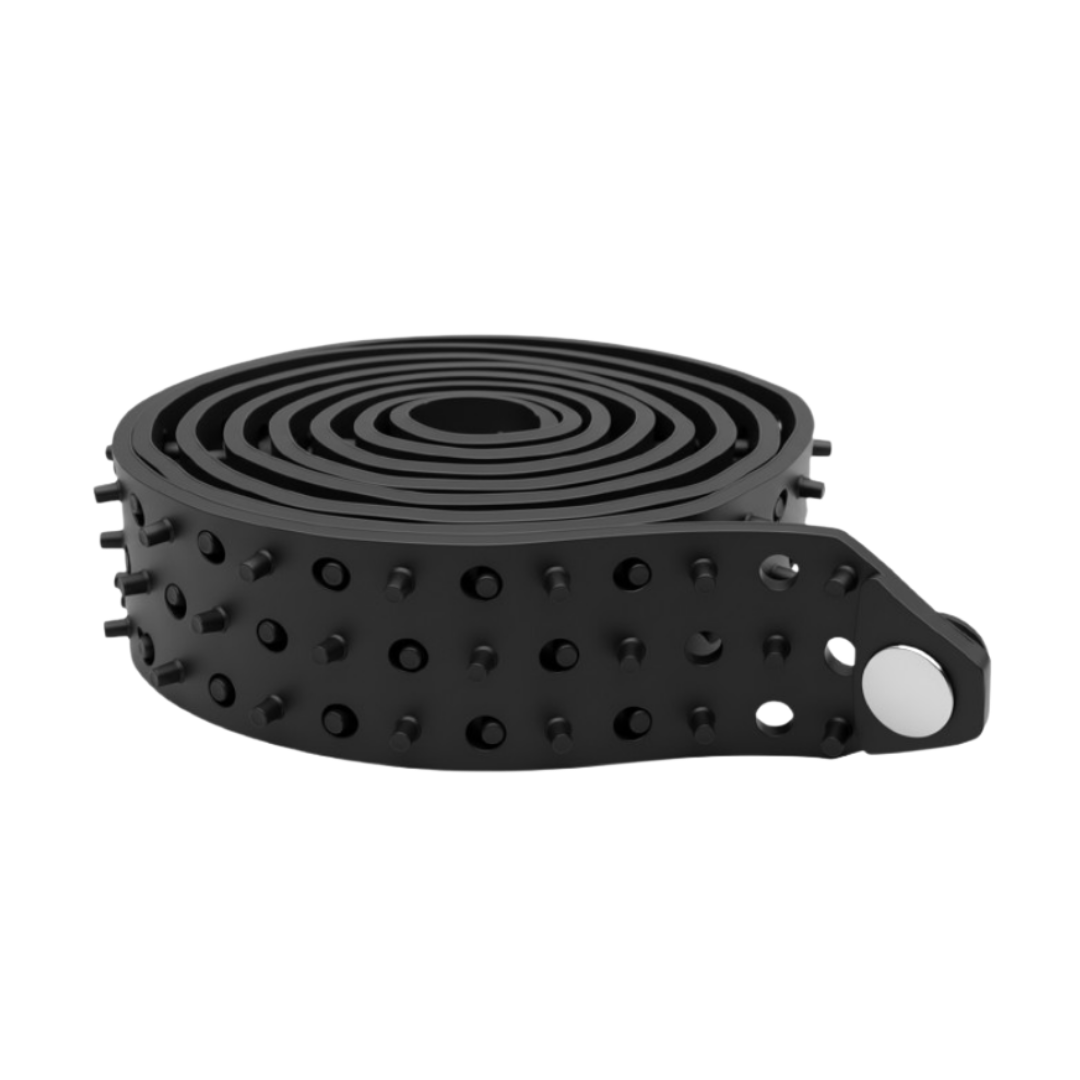
Yes, you can keep a shirt tucked in without shirt stays. The military tuck is the best free technique — it works for several hours. A compression undershirt tucked very deep, or double-sided shirt tail grip tape, are other options. However, all free methods fade through a full day of sitting and movement. If you need all-day hold without shirt stays, a rubber belt shirt tucker is the most practical solution that still does not feel like traditional shirt stays.
FREE TECHNIQUES THAT ACTUALLY WORK
Military Tuck
Fold excess shirt fabric into pleats at each hip and compress it into your waistband. The bulk resists pulling free. Used by military members and hotel concierge staff for decades.
Deep Tuck + Compression Undershirt
Tuck both the shirt and a snug-fitting undershirt as far below the waistband as possible. Less slack means slower migration. Works best with high-waisted pants.
Shirt Tail Grip Tape
Double-sided tape adheres the shirt tail to skin or underwear. Good for weddings or presentations. Single-use only and can cause skin irritation on prolonged wear.
Slim-Fit Pants + Close Belt
Pants that fit closely at the waist with a cinched belt reduce the space inside the waistband for the shirt to move. A supporting fix, not a standalone solution.
HOW TO DO THE MILITARY TUCK
Put on your shirt untucked
Start with the shirt hanging loose so you can work with the excess fabric evenly on both sides.
Pinch and fold at each hip
At each hip, grab the excess side fabric and fold it backward into a narrow pleat pointing toward your back.
Hold the pleat and tuck
While holding the pleated fabric flat, tuck the shirt into your pants, pushing the compressed bundle as deep as it will go.
Fasten your belt immediately
Buckle your belt before releasing the fabric. The belt compresses the pleat and locks it in position.
THE HONEST LIMITATION
All free techniques share one problem: they rely on friction and geometry that degrade over time. Every time you sit, stand, bend, or stretch, the fabric migrates slightly. After 4 to 6 hours — often sooner — you will need to re-tuck. If you regularly wear a tucked shirt for full work days, the $19.99 for a Shirt Tucker rubber belt pays for itself in frustration avoided within the first week.
SKIP THE RE-TUCK ENTIRELY
The Shirt Tucker holds your shirt tucked all day — no techniques required.
Get the Shirt Tucker — $19.99