HOW DO SHIRT STAYS WORK?
There are three fundamentally different mechanisms. Understanding them helps you pick the right one for your lifestyle.
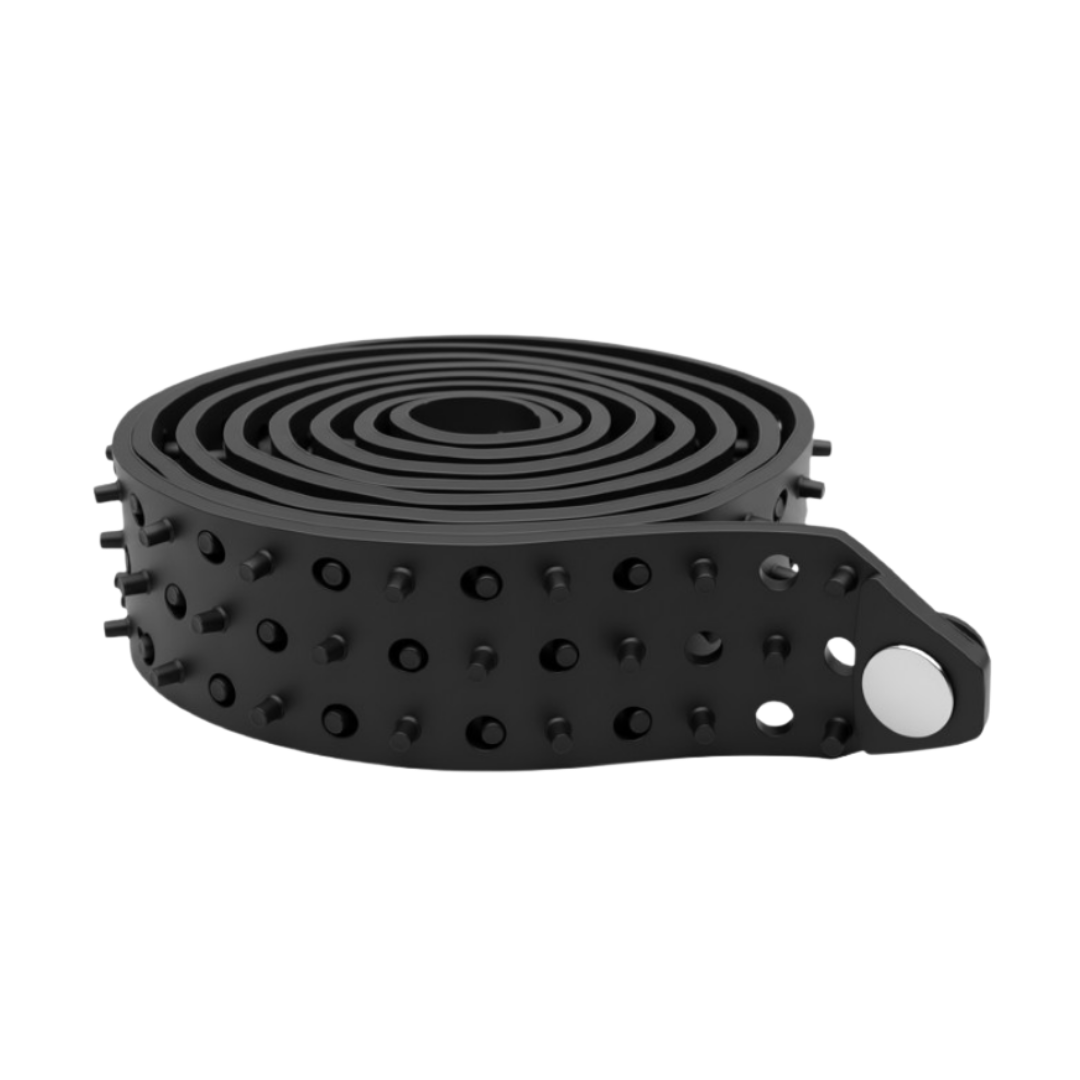
Shirt stays work by physically preventing the shirt tail from moving upward out of the pants waistband. They use one of three mechanisms: tension (leg straps pull the shirt down toward your feet), friction (a rubber belt grips the shirt fabric from the outside), or grip (clips latch directly onto the waistband). The best type for most people is the friction-based rubber belt — it sits at the waist, requires no straps on the legs, and holds through any movement.
THE THREE MECHANISMS EXPLAINED
Mechanism 1: Tension (Leg Strap Shirt Stays)
Elastic straps clip to the shirt hem at one end and to the sock or ankle at the other. The strap is kept taut, pulling the shirt tail downward by continuous tension. This works well but restricts leg movement, can cause discomfort behind the knee, and requires removing shoes to put on or take off.
Mechanism 2: Friction (Rubber Belt Shirt Tucker)
A rubber or grippy-silicone belt wraps around the body between the shirt and skin. The rubber surface grips the inside of the shirt fabric by friction — when the shirt tries to ride up, the rubber surface holds it back. The Shirt Tucker uses this method. No leg straps. No clips. No tension anywhere.
Mechanism 3: Clip-on / Waistband Grip
Small clips or elastic bands attach the shirt tail directly to the pants waistband. They prevent vertical movement of the fabric at the waistband level. Less effective for active movement because they only secure the shirt at a single point.
SIDE-BY-SIDE COMPARISON
| Type | Mechanism | Comfort | Effectiveness | Ease of Use |
|---|---|---|---|---|
| Rubber Belt (Shirt Tucker) | Friction | Excellent | All-day hold | 10 seconds |
| Leg Strap Stays | Tension | Moderate | Good | Slow (requires removing shoes) |
| Y-Strap Stays | Tension | Moderate | Good | Moderate |
| Clip-on Waistband | Grip | Good | Limited | Fast |
| Magnetic Stay | Magnetic grip | Good | Light duty | Fast |
WHY THE RUBBER BELT METHOD WINS
The rubber belt approach used by the Shirt Tucker has a key advantage: it works passively. Once it is on, you do nothing. Leg-strap stays require conscious awareness — you feel the tension on your legs, especially when sitting or climbing stairs. The rubber belt generates no tension anywhere, so after a few minutes you forget it is there.
Customers most frequently mention forgetting it was on all day as the key benefit.
TRY THE FRICTION METHOD
The Shirt Tucker rubber belt — no leg straps, no clips, all-day hold.
Get the Shirt Tucker — $19.99